
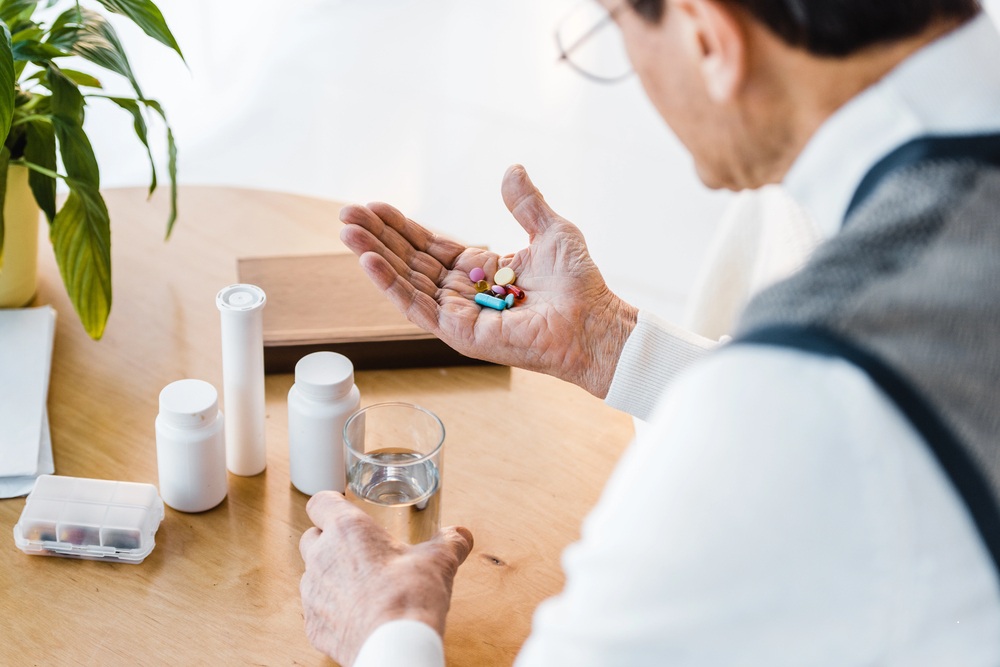
How do drug interactions happen? What should you be aware of? You can learn whether drug interactions could be dreaded or desired.
Drug interactions happen more often than many people realize. By understanding the basics, you can keep yourself safe. Let’s take a closer look.
Drug interactions usually fall into specific categories, based either on the substances or conditions involved or on the way they change a drug’s action or safety.
Major Types of Drug Interactions
Drug–Drug Interactions
When people take two or more drugs together, each drug can alter the other’s effectiveness or raise the risk of side effects.
For instance, combining warfarin (a blood thinner) and some antibiotics can sharply raise bleeding risk because the antibiotic slows the breakdown of warfarin. Also, using opioids with benzodiazepines greatly magnifies the risk of severe drowsiness and life-threatening breathing problems.
Alternatively, drug interactions can be beneficial in some cases. Blood pressure medications are often combined to lower pressure more effectively than either drug alone or to minimize side effects. Pain medications and anti-infectives are also often combined to boost effects.
Drug/Food & Drug/Drink Interactions
Certain foods or drinks can make medications work differently—often by changing how the body processes them.
For example, grapefruit juice blocks enzymes that break down statins used for cholesterol, which can raise drug levels and cause muscle or liver damage. Likewise, vitamin K–rich foods (like leafy greens) can interfere with warfarin’s effectiveness, affecting clotting. Moreover, consuming alcohol alongside sedatives like antihistamines, opioids, or sleeping pills can intensify drowsiness, suppress breathing, and even lead to coma or death.
Sometimes, taking a drug with food is recommended in order to enhance its absorption (some anti-infectives) or to prevent stomach upset (NSAIDS, some antibiotics, steroids).
Drug–Disease (Drug–Condition) Interactions
These interactions arise when a medical condition changes how a drug acts, or when a drug worsens an underlying health issue.
For example, people with high blood pressure who take decongestants (such as pseudoephedrine) risk an increase in blood pressure. In another case, propranolol (a beta-blocker for the heart and blood pressure) can trigger asthma attacks in susceptible individuals.
Who Is at Risk of Drug Interactions?
- Older adults face a higher risk because they often take multiple medications, manage more chronic conditions, and their bodies process drugs differently as they age, sometimes causing drugs to linger longer and lead to side effects.
- Women are generally at greater risk than men since they tend to be prescribed more medications. Biological differences, such as how they absorb, metabolize, and eliminate drugs, and fluctuations in sex hormones may also impact drug effects.
Signs & Symptoms of Drug Interactions
Stay in tune with your body. Be alert for new symptoms, such as fatigue, confusion, drowsiness, rapid heartbeat, bleeding, muscle pain, or any other unexpected side effect.
How to Prevent Drug Interactions
Effective communication with your healthcare providers is key.
- First, always provide a complete list of every medication, supplement, herb, and vitamin you take. Report any changes or new symptoms immediately to your doctor and pharmacist.
- Next, seek advice before adding any new over-the-counter (OTC) or natural products; never assume they are safe. Check all labeling for warnings and precautions.
- Whenever possible, use only one pharmacy to fill all your prescriptions. This practice helps pharmacists monitor for potential interactions.
Drug interactions are common and can be dreaded or desired occurences. Nevertheless, with increased awareness and open communication, you can minimize your risks. Always talk with your healthcare providers about all your medications to ensure your safety.
If you work with patients or develop educational materials for them regarding pharmaceuticals, you will want to ensure they have a basic knowledge of drug interactions. Making this complex subject easy for them to understand will go a long way in ensuring they stay safe.